
He Didn’t Want to Enter His 40s in Pain.
Mike first came to us in 2018.
He wanted to train. He wanted to be consistent. But every time he started building momentum, his back would flare up. A few good weeks would turn into a setback. Then frustration. Then stopping altogether.
One day, lying in bed and nursing another back episode, he made a decision:
He wasn’t going to enter his 40s feeling fragile.
He emailed me and asked if I offered personal training. We scheduled an assessment.
Instead of jumping into hard workouts, we slowed things down. We looked at how he moved. Where he lacked control. Where he lacked strength. What was triggering his back.
We rebuilt from there.
Better positioning. Better strength. Clear progression. No guessing.
As his movement improved, his confidence improved. And when he started gaining momentum again, we protected it. Adjusting when needed. Progressing when appropriate.
Eventually, Mike decided he wanted to climb a mountain.
So we trained for Mount Rainier.
He completed it safely.
Then he climbed the three highest peaks in Mexico. Then Mount Kilimanjaro. Then major peaks in Ecuador. Then Mont Blanc.
Now he’s preparing for Denali in 2026.
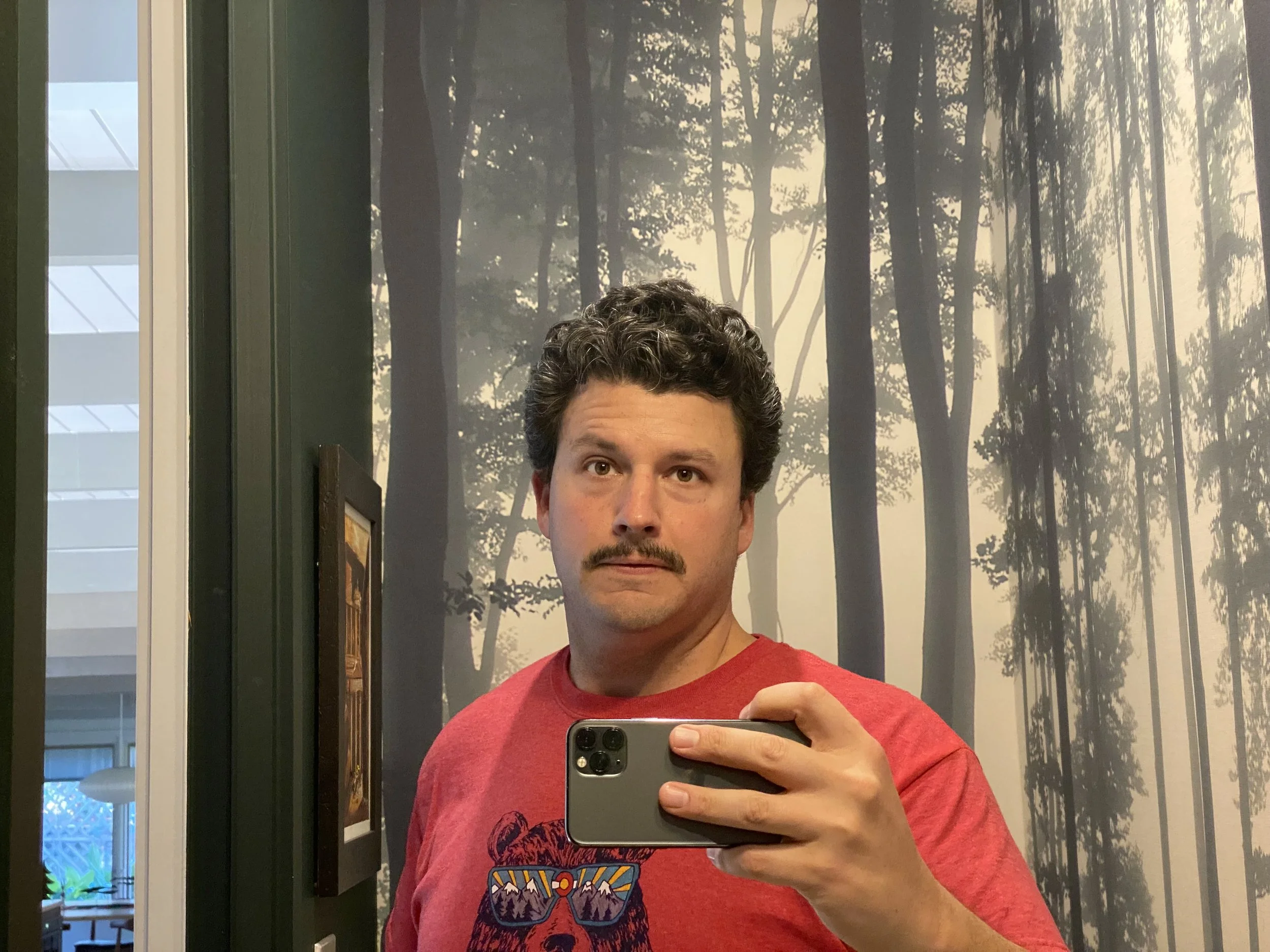
2020 Before Pic
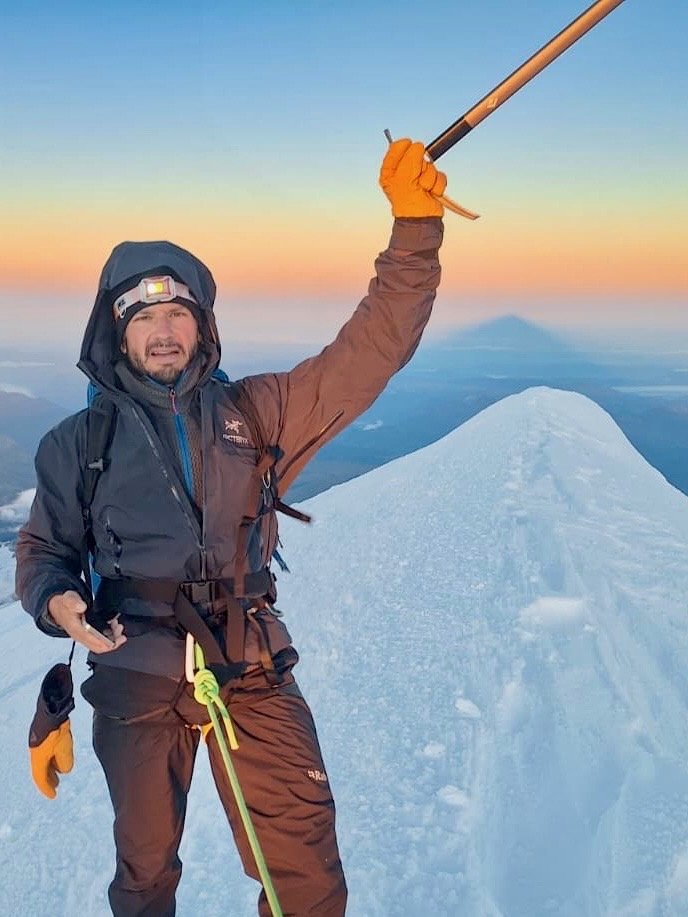
Mont Blanc Summit 2025
In between mountaineering expeditions, he began competing in the The Tactical Games.
During his first competition, he tore a ligament in his ankle sliding under an obstacle. Surgery was required.
The procedure was at the end of September. His next climb was scheduled for February.
His orthopedic surgeon didn’t think it was realistic.
We didn’t rush it. We assessed. We built a plan. We trained carefully with a clear benchmark: if he wasn’t ready safely, he would cancel.
With structured progression and disciplined rehab, he completed all three peaks of that February climb.
In 2021, Mike weighed 248 pounds.
As of September 2025, he weighs 193 pounds at 13% body fat.
More importantly, he doesn’t live in fear of his back anymore.
He moves well. He trains consistently. And when challenges show up — because they always do — he knows how to respond instead of shutting down.
She Tried Everything. The Pain Kept Coming Back.
Shannon has always been active.
She grew up on a farm, rode horses competitively, and later trained for a figure competition. Hard work wasn’t the issue. She was disciplined. Consistent. Strong.
But in 2019, after joining the gym, she mentioned something that had been quietly limiting her for years — chronic upper hamstring pain.
It hurt to sit.
Not just after training. Not just occasionally. Sitting at work. Driving. Resting. The pain was always there.
She had already done what most people do when they’re trying to fix something:
Two years of physical therapy.
Weekly massage.
Dry needling.
PRP.
Four stem-cell injections.
Orthopedic consultations.
Chiropractic care.
Each intervention helped temporarily. But the pain kept coming back.
She didn’t want surgery if she could avoid it. She also didn’t want to stop training. She just wanted her body to cooperate again.
So we started with a thorough assessment.
Instead of chasing symptoms, we looked at how she moved. Where she lacked control. Where she compensated. What patterns were repeatedly overloading the same tissue.
The goal wasn’t to “fix” her hamstring.
The goal was to retrain the patterns that were irritating it.
We progressed slowly. Built strength where she needed it. Restored control where it was missing. Adjusted when flare-ups appeared instead of pushing through them.
After a few months, she noticed something different.
Less pain.
Then fewer flare-ups.
Then long stretches without symptoms.
Today, Shannon trains without upper hamstring pain. She never needed surgery.
More importantly, she understands her body now. She knows what to watch for. She knows how to adjust. She’s not afraid of movement anymore.
He Lost 160 Pounds. Then Learned How to Train for the Long Run.
Adam once weighed 335 pounds.
After several attempts to lose weight, he made a decision to fully commit to himself. On his own, through discipline and consistency, he lost 160 pounds.
That alone is a huge accomplishment.
But for Adam, weight loss wasn’t the finish line. He didn’t just want to be lighter — he wanted to be strong.
He tried a few gyms but never quite found the right fit. He wanted structure. Coaching. A clear path forward.
When he joined us, he could barely complete one strict pull-up. Bench pressing 135 pounds was a challenge.
He wasn’t discouraged. He simply showed up. Listened. Practiced. Repeated.
Over the next few years, Adam steadily built strength and muscle. He added about 30 pounds of lean mass. He can now bench press 135 pounds for 20+ controlled reps and perform strict pull-ups with confidence.
But progress wasn’t perfectly linear.
As he grew stronger, he experienced a lower back setback during training. For many people, that’s where fear creeps in. Old patterns return. Momentum fades.
Instead, we stepped back.
We reassessed his movement, adjusted his training, and rebuilt what needed rebuilding. After a focused period of rehabilitative work, he returned to progressing — smarter and more resilient than before.
Today, Adam continues to train with clear goals and steady consistency.
The most important shift isn’t just in his strength numbers.
It’s that he no longer sees setbacks as the end. He knows how to respond, adjust, and keep moving forward.
Rebuilding After Pregnancy — One Step at a Time.
Kayla was probably in the best shape of her life when she became pregnant.
She stayed active throughout her pregnancy, training consistently up until about 38 weeks.
But after her son was born, the focus shifted. It wasn’t about pushing hard workouts right away. It was about rebuilding.
Like many new mothers, Kayla had heard plenty of messages suggesting that things would never quite be the same again — that her body might not feel or perform the way it once did.
Those messages can be loud.
So instead of rushing back into intense training, we started with the foundation.
Breathing work to restore abdominal pressure. Reconnecting the core and pelvic floor. Rebuilding control before rebuilding intensity.
That part wasn’t easy.
We immediately started her with breathing exercises to reestablish her own abdominal tension again and get the pelvic floor back to normal.
Now this wasn’t easy. She had been pregnant and was ready to train hard again. We reassured her that this process would set her up for success!
Kayla was motivated and ready to train hard again. Slowing down at the beginning required patience and trust that the process would set her up for long-term success.
Over the next few months, her confidence began returning.
Around three to four months postpartum, her movement felt stronger and more stable. She was breastfeeding, which meant her body was still supporting recovery and nourishment, so maintaining a little extra weight during that time was normal.
But something else stood out.
Before pregnancy, she occasionally dealt with shoulder discomfort and low back pain. As her movement patterns improved during the rebuilding process, those issues gradually disappeared.
After about a year, when she finished breastfeeding, the remaining weight she had been holding slowly came off.
The journey wasn’t always easy — physically or emotionally.
But Kayla stayed consistent, trusted the process, and rebuilt her strength step by step.
Today she moves well, feels strong again, and has a deeper understanding of how to take care of her body long term.
We can’t control every life event but we can always have a plan when change occurs.
When Training Started to Feel Like a Threat Instead of a Relief.
Stu has been training with us for close to a decade. After earning a couple promotions, he had to travel more. This interrupted his normal training routine. He still came in pretty consistent until he started having some intensifying aches and pains.
Stuart started noticing intense shoulder pain. He tried to theragun and electric stim prior to workouts, he tried dry needling, and simply resting—but the pain kept coming back.
In the past he had experienced right knee pain and low back discomfort. This shoulder pain was more intense that both. To the point that he would wake-up if he moved in a “bad” position.
With any promotion comes more added stress. Add more traveling to the mix and the consistency can be interrupted. A great way to combat this added stress is with going to the gym.
The shoulder pain started making him feel limited to what he could do everyday. When he mentioned that he was starting to dread the gym, that’s when I (coach Joe) stepped in and offered a full shoulder assessment.
During the assessment I noticed some lower body issues that I wanted to check. By the end of the assessment I had a plan for his shoulder, knee, and back pain.
After 7-10 days of adding a corrective program to his routine—Stuart noticed no pain in his shoulder when he slept. He had a new found joy for training and learning how to improve his movement.
He went from dreading the limitations of the gym to now being excited again to train!