Insights. Stories. Strength.
Practical guidance on movement, strength, and longevity — written for adults 40+ who want to feel better and move freely for life.
Start Here
If you're dealing with stiffness, pain, or you're not sure where to begin — you're in the right place. Browse by topic below to find what's most relevant to you right now.
Older Than 40? Have a Fitness and Health Plan.
Over 40 isn't old — but stress is higher, time is limited, and the stakes are real. Having a plan, or better yet someone designing one for you, saves time, mental energy, and keeps you moving toward the life you want at 60, 70, and beyond.
More From the Blog
Using Exercise to Increase Self-Worth
Some of us sacrifice our hobbies and health for work and family. When this happens long-term, we lose sight of how important we actually are — to those people and to ourselves.
From Knee Injury to 400 Pounds: What I Learned Along the Way
Hurting my knee was the gift I didn't know I wanted. It pushed me to understand pain, movement, and the body in ways I never would have otherwise — and now I help others do the same.
Why Strength Training Matters More After 60 — Marty's Story
Marty was skeptical. At 62, he didn't think the benefits would be noticeable. A few months later, his knee stopped "popping out," his core was stronger, and he was back to the work he loves.
Too Much Cardio
Cardio has its place — but for adults 40+, too much of it without strength training can work against you. Here's what the research shows and what a smarter approach looks like.
Surviving — and Thriving — in College Sports
The truth about injuries, time demands, and education in college athletics. What young athletes need to know — and what their parents should understand — before the season starts.
There's Not Enough Time!
The most common reason people give for not exercising is time. But the truth is, time isn't the real barrier — and once you understand what is, the solution becomes much clearer.
Training with Pain in CrossFit / Group Class
Group fitness can be motivating — but when you're dealing with existing pain or past injuries, it can also be risky. Here's how to participate safely and what to watch for.
How I Program
A look inside how I build individualized programs for clients — what I assess, what I prioritize, and why the order of things matters more than most people realize.
Ready to Move Without Hesitation?
If you're dealing with pain, stiffness, or you're not sure where to start — we can help. No pressure. Just an honest conversation.
Book a Free ConsultationFree consultation · No commitment required · No pressure

Training with pain in CrossFit/Group Class
Working out with others can be really fun. The side convos, the jokes, pacing off of someone, and receiving support make it a worthwhile training environment.
Sometimes we use their support to push ourselves to levels we hadn’t achieved yet. It’s great until we feel something strange, odd, or alarming.
When we feel an injury or something related to an injury, we initially have a feeling of fear and dread.
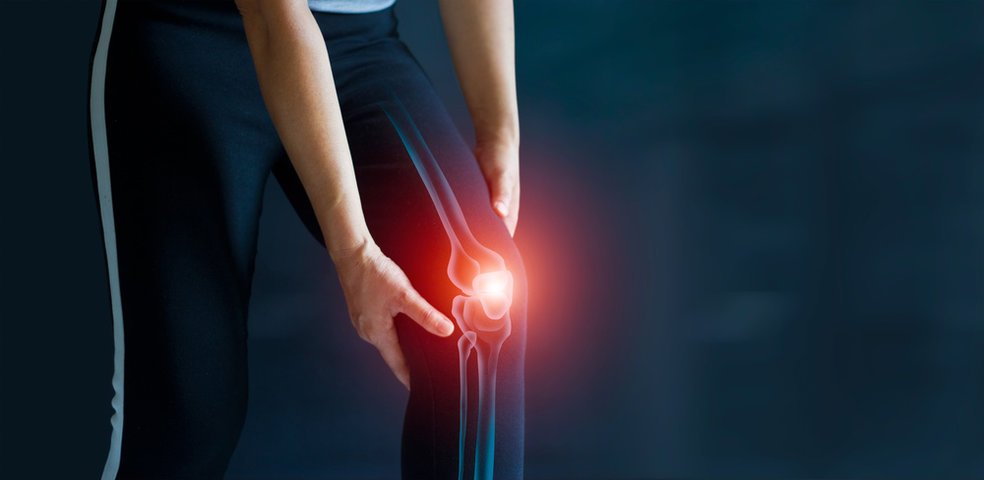
Pain is subjective and relative to the individual. Some people tolerate pain better than others.
Injury is fairly objective. If you’re hurt and/or diagnosed with an injury, it’s hard to argue otherwise.
Injury Prevention:
Injuries happen, and some are not preventable. However, you can train your body in ways that create balance and move with proper technique to reduce the occurrence of injury.
Utilizing proper warm-ups, maintaining the right intensity, good sleep, nutrition, and hydration all help with reducing injury.
It is also important to have a movement assessment performed to help with knowing where you may be limited and progress you towards better movement independence.
Treatment:
Depending on the severity, a PT or Othro would diagnose you, if severe, you would do physical therapy or surgery.
If the severity is minor, we at Gameday Fitness would assess you and guide you through a recovery process with our one-on-one training.
Even after you finish your physical therapy, it’s important to continue to build resilience and having a coach guide you is the clearest way to go.
After a reassessment, you’ll know where you stand in terms of recovery. This brings about more confidence when you go to increase the intensity or load during your training pieces.
If you have any questions about getting out of pain, email us at info@gameday.fitness